
Understanding the Role of Modern Prosthodontic Care
Why Tooth Function Matters
A healthy smile is about more than the appearance of individual teeth. Teeth work together to support chewing, speaking, facial balance, and everyday comfort. When several teeth are damaged, missing, or severely worn, restoring one tooth at a time may not always address the larger concern. A prosthodontist Tampa patients can turn to focuses on the relationship between teeth, gums, bite, jaw movement, and overall oral function. This broader view can be important when dental problems have developed over time. A carefully planned approach considers how the teeth meet, how pressure is distributed, and how restored teeth will work during normal activities. Understanding these factors helps patients make informed decisions about their oral health and recognize why comprehensive planning can matter when a smile has complex functional or structural needs.
How Tooth Loss Can Affect Daily Life
Tooth loss can influence much more than the ability to chew certain foods. When a tooth is missing, neighboring teeth may gradually shift toward the open space. Changes in tooth position can affect how the upper and lower teeth meet and may create additional areas that are difficult to clean. Some people also notice changes in speech or become more cautious when eating. The jaw and facial muscles can adapt to changes in the bite, particularly when several teeth are missing or significantly worn. Over time, these changes may make ordinary activities feel less comfortable. Restoring missing teeth therefore involves considering both appearance and function. The goal of thoughtful dental planning is to create a stable oral environment that supports daily activities while taking the patient's existing tooth structure, bite, and long-term oral needs into account.
The Importance of Bite and Jaw Balance
The way teeth come together plays an important role in oral comfort. Every time a person bites, chews, or clenches, forces travel through the teeth and supporting structures. If those forces are unevenly distributed, certain teeth may experience greater pressure than others. This can contribute to wear, sensitivity, discomfort, or damage over time. Jaw movement is also connected to the muscles and joints responsible for opening and closing the mouth. A balanced bite considers these relationships rather than focusing only on how teeth look when a person smiles. Careful evaluation can help identify areas where the bite may be contributing to discomfort or excessive wear. For people dealing with complex dental changes, understanding bite mechanics can provide useful insight into why a comprehensive approach may be more appropriate than treating isolated concerns without considering how each part of the mouth interacts with the others.
Planning Restorations Around Natural Function
Dental restorations should work as part of the mouth rather than function as isolated replacements. The size, shape, position, and contact points of restored teeth can influence chewing and the way surrounding teeth meet. This is why planning is an important part of restorative care. A dentist may evaluate existing teeth, supporting tissues, bite relationships, and areas of wear before determining how a restoration should fit into the overall dental structure. The condition of neighboring teeth can also affect the approach. A restoration designed without considering these factors may create unnecessary pressure or interfere with normal movement. Thoughtful planning aims to make the restored area feel natural during everyday use. It also considers cleanliness and maintenance so patients can continue caring for their oral health after treatment. The process is therefore about restoring practical function as well as creating an appearance that fits naturally with the rest of the smile.
When Comprehensive Evaluation Becomes Important
Some dental concerns are straightforward, while others involve several connected issues. A person may have missing teeth alongside worn teeth, damaged restorations, bite changes, or long-standing difficulty with chewing. Treating only one concern may leave another issue unresolved. A comprehensive evaluation allows the dental team to look at the complete picture before treatment begins. This can be especially helpful when multiple areas of the mouth need attention. Patients can discuss their concerns, understand the condition of their teeth, and learn how different treatment choices may affect function. The process also creates an opportunity to establish priorities. For example, restoring basic function may need to come before cosmetic improvements. In other cases, preserving remaining tooth structure may be an important consideration. Clear planning helps connect individual treatments into a coordinated approach rather than treating every dental concern as a separate problem.
Maintaining Results Through Daily Care
Restorative dental care does not end when treatment is completed. Daily oral hygiene remains important for protecting natural teeth and supporting the tissues around restorations. Regular brushing, cleaning between teeth, and professional dental evaluations can help identify developing concerns before they become more difficult to manage. Patients should also pay attention to changes such as new sensitivity, discomfort while chewing, unusual pressure, or changes in the way teeth meet. These signs do not always indicate a serious problem, but they are worth discussing with a dental professional. Habits can also influence the condition of teeth and restorations. Frequent clenching, chewing very hard objects, or neglecting routine care may place additional stress on the mouth. Long-term maintenance is therefore a partnership between professional dental care and consistent daily habits. A stable routine can help support oral function and preserve the condition of restored and natural teeth.
Member Spotlight
ZM Dental
14021-B North Dale Mabry HWY
Tampa, FL 33618
(813) 513-5045
Get Map Direction:
https://maps.app.goo.gl/4HMHztBWXR3MX4Dn9
Comprehensive dental planning can be particularly valuable when a person has several concerns involving missing, damaged, worn, or heavily restored teeth. A prosthodontist Tampa patients choose for complex restorative needs can evaluate how different parts of the mouth work together before developing an appropriate treatment approach. Depending on individual circumstances, restorative care may involve dental crowns, dental implants, dentures, or full mouth reconstruction. Prosthodontic planning can also work alongside general dentistry when patients need ongoing preventive care. The focus is on creating a functional oral environment while keeping comfort, appearance, bite, and long-term maintenance in consideration. Patients benefit from understanding their options and knowing why a particular approach may be recommended. With thoughtful planning and consistent home care, restorative treatment can become part of a broader effort to support comfortable chewing, confident speaking, and a healthy everyday smile.
Understanding Long Term Oral Health Through Daily Dental Habits
Good oral health depends on consistent care, informed choices, and regular attention throughout every stage of life. Visiting a prosthodontist Tampa can be part of a broader plan for maintaining healthy teeth and supporting long term oral function. While many people focus on brushing and flossing alone, lasting oral wellness also involves understanding how daily habits affect teeth, gums, and the overall condition of the mouth.
Healthy Habits Build a Strong Foundation
Daily routines have a lasting influence on oral health. Brushing twice a day with a soft bristled toothbrush helps remove plaque before it hardens. Flossing reaches areas that a toothbrush cannot easily clean, helping reduce food particles and bacteria between teeth. Using fluoride toothpaste supports enamel and helps lower the chance of cavities. Drinking water throughout the day also helps wash away debris while supporting natural saliva production. Saliva plays an important role because it helps protect teeth by reducing harmful acids inside the mouth. These simple habits may seem small, but together they create a strong foundation for healthier teeth and gums over time. Consistency is far more valuable than occasional intensive care because healthy routines performed every day help reduce many common dental concerns before they become larger problems.
Nutrition Plays an Important Role in Oral Wellness
Food choices have a direct effect on the health of teeth and gums. A balanced diet with fresh vegetables, fruits, dairy products, lean proteins, and whole grains supports the body's ability to maintain healthy oral tissues. Foods rich in calcium and phosphorus help support strong teeth, while crunchy vegetables may assist with natural cleaning during meals. Limiting sugary snacks and sweet drinks can reduce the amount of acid produced by bacteria inside the mouth. Frequent snacking without cleaning the teeth may increase plaque buildup throughout the day. Drinking water instead of sugary beverages is a simple step that benefits both oral health and overall wellness. Paying attention to nutrition every day creates habits that support healthier smiles and encourages better dental health throughout every stage of life.
Why Prevention Matters More Than Waiting for Problems
Preventive care allows small concerns to be identified before they become larger issues. Many dental conditions develop gradually and may not cause pain during the early stages. Regular evaluations allow changes to be noticed before they become more difficult to manage. Professional cleanings remove hardened deposits that cannot be removed through brushing and flossing alone. Preventive care also gives patients the opportunity to learn better home care techniques based on their individual needs. Understanding the condition of teeth, gums, and bite alignment allows people to make informed decisions about protecting their oral health. Prevention supports confidence because maintaining healthy teeth often requires less extensive treatment than addressing advanced dental concerns later.
Understanding How Teeth Change Over Time
Teeth naturally experience wear throughout life. Everyday chewing, grinding, and aging can gradually affect enamel and overall function. Some people may notice changes in the way their teeth fit together, while others experience increased sensitivity or visible wear. Paying attention to these changes early encourages timely professional evaluation. Good oral care remains important at every age because healthy habits continue to protect the mouth even as natural changes occur. Learning about normal age related changes helps people understand when something requires additional attention. Being aware of these developments allows individuals to make thoughtful decisions about maintaining comfort, function, and appearance without waiting until problems interfere with daily activities.
The Connection Between Oral Health and Everyday Comfort
Healthy teeth support many parts of daily life. Eating becomes easier when teeth function properly, allowing people to enjoy a wide variety of foods. Clear speech also depends on healthy teeth and proper oral function. Maintaining good oral health may contribute to greater comfort during meals and conversations. Even small concerns, such as tooth sensitivity or gum irritation, can influence everyday routines if ignored for too long. Understanding these connections encourages people to view oral health as an important part of overall well being rather than something that only deserves attention when discomfort appears. Consistent care helps preserve natural teeth while supporting confidence in both personal and professional settings.
Creating a Lifetime of Better Dental Decisions
Learning about oral health empowers people to make better decisions every day. Understanding the importance of brushing, flossing, healthy eating, and preventive care creates habits that support long lasting results. Every stage of life presents different dental needs, making education an ongoing process rather than a one time lesson. Staying informed allows individuals to recognize changes early and seek appropriate guidance when needed. Small daily efforts often produce meaningful long term benefits for oral wellness. Building healthy routines also encourages family members to develop positive habits together, creating a supportive environment where everyone values good dental care. Consistent attention today helps protect smiles for many years while promoting lasting comfort and confidence.
Member Spotlight
ZM Dental
14021-B North Dale Mabry HWY
Tampa, FL 33618
(813) 513-5045
Get Map Direction:
https://maps.app.goo.gl/4HMHztBWXR3MX4Dn9
Maintaining healthy teeth requires regular attention, good daily habits, and professional care when needed. People looking for guidance from a prosthodontist Tampa may benefit from learning how different aspects of oral health work together to support long term function and comfort. Preventive care, restorative dentistry, prosthodontics, dental crowns, dental implants, full mouth reconstruction, Invisalign, cosmetic dentistry, oral surgery, emergency dentistry, TMJ/TMD care, veneers, teeth whitening, and general dentistry all contribute to helping patients maintain healthier smiles based on their individual needs. Understanding available treatment options allows people to make informed decisions without waiting for dental concerns to become more complicated. Consistent home care combined with regular professional attention supports healthy teeth, comfortable function, and confidence throughout every stage of life. Focusing on prevention, education, and long term maintenance encourages better oral health habits that can continue to benefit individuals and families for years to come.
How Daily Habits Influence Long Term Oral Function and Comfort
Understanding the Link Between Everyday Choices and Oral Health Many people focus on brushing and flossing when thinking about oral health, but daily habits influence much more than the appearance of teeth. Early in the journey toward better oral wellness, guidance from a prosthodontist Tampa professional can help individuals understand how routine behaviors affect comfort, function, and long term stability. The way people eat, hydrate, manage stress, and care for their mouths each day can shape oral health outcomes over time. Small habits often seem unimportant in the moment, yet they can gradually influence tooth wear, jaw comfort, gum condition, and overall oral function. Developing healthy routines is not about perfection. Instead, it involves making consistent choices that support the natural structures of the mouth. Understanding these connections allows people to take a more proactive role in maintaining healthy teeth and gums throughout different stages of life. The Impact of Eating Patterns on Oral Function Food choices influence more than nutrition. The consistency, frequency, and balance of meals can affect the teeth and supporting tissues. Frequent snacking may expose teeth to repeated challenges throughout the day. On the other hand, balanced meals can help support a healthier oral environment. Hard foods, sticky snacks, and excessive sugary beverages may contribute to wear or other concerns when consumed regularly over long periods. Chewing also plays an important role in oral function. The muscles of the jaw work every time food is processed, helping maintain normal movement and coordination. Choosing a varied diet encourages natural chewing patterns and may support overall comfort. Drinking water throughout the day also helps maintain moisture within the mouth, which contributes to a healthier environment. While no single food determines oral health, consistent eating habits often influence long term outcomes. Being mindful of dietary choices can contribute to better comfort and function while supporting daily oral wellness. How Stress Can Affect the Mouth and Jaw Stress is often associated with emotional well being, but it can also influence oral health. Many people unconsciously clench their teeth or tighten their jaw muscles during stressful situations. Over time, this tension may contribute to discomfort, muscle fatigue, or increased pressure on teeth. Since stress can affect people differently, recognizing personal habits is an important step toward protecting oral function. Sleep quality may also play a role. When rest is disrupted, individuals may experience increased muscle tension or other challenges that affect overall comfort. Managing stress through healthy activities such as exercise, relaxation techniques, or regular routines can benefit both general health and oral wellness. Awareness of these patterns allows individuals to identify concerns earlier and seek appropriate guidance when needed. By understanding the relationship between stress and oral health, people can make informed decisions that support greater comfort and long term stability. The Importance of Consistency in Oral Care Routines Consistency is one of the most important aspects of maintaining oral health. Daily care habits help remove debris, support gum health, and contribute to a cleaner oral environment. Even simple routines become more effective when practiced regularly. Skipping care occasionally may not seem significant, but repeated inconsistency can create challenges over time. Good habits are often built through repetition. Setting reminders, keeping supplies accessible, and creating a predictable routine can help people stay on track. Oral care should be viewed as part of overall wellness rather than a separate responsibility. Just as people prioritize healthy eating and physical activity, maintaining daily oral hygiene supports long term function and comfort. Consistency creates a foundation that can help individuals preserve oral health while reducing the likelihood of future complications. Small efforts performed regularly often have a greater impact than occasional intensive efforts. Creating Healthy Habits for Lifelong Oral Wellness Building healthy habits does not require dramatic changes. Many improvements begin with small adjustments that fit naturally into daily life. Drinking more water, limiting frequent snacking, paying attention to jaw tension, and maintaining regular oral care routines are examples of manageable actions that can support long term wellness. These habits become increasingly valuable when practiced consistently over time. Education also plays an important role. Understanding how everyday behaviors affect oral health allows people to make informed choices that align with their goals. Whether someone is focused on maintaining comfort, preserving function, or supporting overall wellness, daily habits provide a practical starting point. Oral health is influenced by many factors, but personal routines remain one of the most controllable aspects. In the final stages of building a healthy lifestyle, many individuals realize that small choices repeated every day often create meaningful results. Guidance from a prosthodontist Tampa professional can help people better understand these connections while encouraging habits that support long term oral comfort and function. Member Spotlight Get Map direction: https://maps.app.goo.gl/4HMHztBWXR3MX4Dn9 Maintaining a healthy mouth often involves attention to both daily habits and professional care. When individuals experience changes in oral function, appearance, or comfort, they may benefit from personalized evaluation and treatment planning. A prosthodontist Tampa professional may assist patients who require support related to restorative dentistry, dental crowns, dental implants, full mouth reconstruction, veneers, or other advanced solutions designed to improve oral function. In addition to restorative options, individuals may also explore general dentistry, cosmetic dentistry, Invisalign, teeth whitening, oral surgery, TMJ/TMD care, emergency dentistry, and all on 4 treatment approaches when appropriate for their needs. Understanding available options allows patients to make informed decisions about their oral health journey. Combined with strong daily habits and preventive care, professional treatment can help support comfort, function, and confidence over time. Every patient has unique goals, making personalized planning an important part of achieving long term oral wellness and maintaining a healthy smile for years to come.
ZM Dental
14021-B North Dale Mabry HWY
Tampa, FL 33618
(813) 513-5045
https://www.zmdental24.com/
How Bite Alignment Affects Everyday Oral Comfort
Why Jaw Position Plays a Bigger Role Than Many People Realize
Daily oral comfort depends on more than clean teeth and healthy gums. The way the upper and lower teeth come together has a direct effect on chewing, speaking, and overall jaw function. Many people ignore early signs of bite imbalance because the symptoms often appear slowly over time. A person may notice mild tension while chewing, uneven wear on certain teeth, or discomfort around the jaw joints. In many situations, these concerns continue progressing until eating and speaking become uncomfortable parts of daily life. When searching for long term solutions, many patients begin learning more about a prosthodontist Tampa residents trust for advanced dental care. Bite alignment concerns can affect people of all ages, especially when teeth shift because of grinding, missing teeth, aging, or previous dental damage. Small alignment changes can place pressure on muscles and joints that are designed to work together smoothly. The jaw functions through constant movement throughout the day. Every meal, conversation, and facial expression involves coordination between teeth, muscles, and joints. When one part becomes unstable, the surrounding structures often try to compensate. This compensation may lead to soreness, headaches, facial tension, or sensitivity during chewing. Understanding these connections helps people recognize why proper oral balance matters for both comfort and long term health. The Connection Between Uneven Wear and Daily Function
Teeth are naturally designed to distribute pressure evenly. When the bite becomes uneven, certain teeth receive more force than others. Over time, this extra pressure may create flattening, chipping, cracks, or increased sensitivity. Some individuals notice that one side of the mouth feels stronger while chewing, while the opposite side feels uncomfortable or weak. Uneven wear also affects jaw movement. When teeth do not meet correctly, the jaw may shift into unnatural positions during chewing or speaking. This repeated strain can create muscle fatigue that spreads into the face, neck, and shoulders. Many people do not immediately connect these symptoms to dental alignment because the discomfort develops gradually rather than suddenly. Changes in tooth structure can also influence speech clarity. Teeth help direct airflow during pronunciation, especially with certain consonants. Small shifts in alignment may affect the way sounds are formed, which can become frustrating in both personal and professional settings. Maintaining balanced oral function therefore supports more than appearance alone. Another important factor involves nighttime grinding. People who grind their teeth often place additional force on already stressed areas. This repeated pressure may accelerate enamel wear and increase discomfort around the jaw joints. Identifying bite problems early may help reduce these long term complications before more extensive damage occurs. How Missing Teeth Can Change Oral Stability
Even a single missing tooth can alter the balance of the mouth. Teeth naturally support one another by maintaining spacing and alignment. When a gap remains untreated, nearby teeth may begin shifting toward the empty area. Opposing teeth may also move because they no longer meet resistance during biting. As teeth shift, the bite changes gradually. This movement may create areas where chewing feels awkward or uneven. Some people begin avoiding certain foods because of discomfort, while others unknowingly chew on only one side of the mouth. Over time, this uneven function can contribute to additional wear and muscle strain. Jaw stability also depends on proper support throughout the dental arch. Missing teeth may reduce support for facial muscles, which can influence overall oral comfort. The longer these changes remain untreated, the more difficult it may become to restore natural balance later. People experiencing ongoing chewing discomfort sometimes delay care because symptoms appear manageable at first. However, small alignment changes often continue progressing over time. Early evaluation allows dental professionals to identify the underlying cause before additional complications develop. Consistent oral function plays a major role in maintaining daily comfort and confidence. Why Long Term Jaw Stress Should Not Be Ignored
Jaw discomfort can affect far more than eating. Persistent strain around the jaw joints may contribute to headaches, tension around the temples, ear discomfort, or soreness while waking in the morning. Some individuals also notice clicking sounds or limited jaw movement when opening their mouths. These symptoms often appear when the bite no longer supports smooth movement. Muscles work harder to compensate for imbalance, leading to ongoing fatigue. Since jaw muscles remain active throughout the day, chronic strain may interfere with sleep quality and overall comfort. Oral habits also influence jaw health. Clenching during stress, nighttime grinding, and chewing hard foods may worsen existing alignment concerns. Paying attention to these habits can help prevent additional pressure on already sensitive areas. In many cases, improving bite stability helps reduce unnecessary stress throughout the mouth and jaw. Modern dentistry continues focusing on preserving both comfort and long term oral function. Patients today often seek solutions that improve natural movement rather than simply addressing visible symptoms. Understanding the relationship between teeth, muscles, and joints helps individuals make informed decisions about protecting their oral health over time. In the later stages of alignment problems, some individuals experience difficulty enjoying meals comfortably. Others notice that speaking for long periods becomes tiring because of muscle fatigue. These functional changes highlight why oral balance matters beyond cosmetic concerns alone. Many people eventually explore guidance from a prosthodontist Tampa patients rely on when searching for solutions related to long term bite stability and oral comfort. Member Spotlight 14021-B North Dale Mabry HWY Tampa, FL 33618 (813) 513-5045 Maintaining healthy jaw movement and balanced oral function often requires attention to small warning signs before they become larger concerns. People dealing with uneven chewing pressure, worn teeth, or discomfort during daily activities may benefit from learning more about modern restorative and cosmetic approaches that support long term oral stability. Treatments connected to dental crowns, dental implants, full mouth reconstruction, TMJ/TMD care, and restorative dentistry are often designed to improve comfort while helping the mouth function more naturally. Invisalign and cosmetic dentistry may also support better alignment in some situations where bite balance has gradually shifted over time. Individuals researching a prosthodontist Tampa patients often choose may discover that oral comfort depends heavily on how teeth, muscles, and jaw joints work together every day. Consistent dental care and early attention to alignment concerns can help preserve healthier chewing patterns, clearer speech, and improved comfort during regular daily activities without unnecessary strain on the jaw or surrounding muscles.
ZM Dental
Get Map Direction:
https://maps.app.goo.gl/4HMHztBWXR3MX4Dn9
How Bite Alignment Affects Everyday Comfort and Oral Balance
Understanding How the Bite Works in Daily Life
A comfortable bite often goes unnoticed until something begins to feel uneven during eating, speaking, or even resting the jaw. Many people assume that oral comfort depends only on clean teeth, yet the way upper and lower teeth meet has a direct effect on everyday ease. In many cases, a person may notice jaw tightness in the morning, uneven pressure while chewing, or a feeling that one side of the mouth works harder than the other. These small changes often develop slowly, which is why they are easy to ignore. In conversations about long term oral balance, prosthodontist Tampa may appear when discussing how professionals evaluate bite patterns and tooth contact in adults who want better function. A balanced bite supports natural movement, helps distribute pressure, and reduces unnecessary strain on teeth that already carry daily chewing force. When one area receives too much pressure, enamel can wear faster and nearby muscles may work harder than needed. This can also affect how comfortably a person speaks through the day.
Why Small Changes in Tooth Position Matter Over Time
Teeth naturally shift over time, even when no pain is present. A missing tooth, old dental wear, grinding during sleep, or a habit like chewing mostly on one side can slowly change how the mouth functions. A small shift in one tooth can lead to a chain reaction because nearby teeth often adjust in response. The body tries to adapt, but repeated adjustment can create muscle fatigue and uneven chewing habits. Many adults notice that foods they once chewed easily now feel awkward or that certain textures require extra effort. The mouth depends on harmony between teeth, jaw joints, and facial muscles. If that harmony changes, daily comfort may also change. Even slight changes in the way teeth touch can influence speech clarity, especially when front teeth no longer meet naturally. This is why observing bite changes early can help preserve natural oral rhythm before discomfort becomes more noticeable.
Jaw Movement and the Connection to Muscle Tension
The jaw moves in several directions during speaking, swallowing, and chewing. These movements involve muscles that work together with surprising precision. If one tooth contacts too early or if the bite closes unevenly, the jaw often changes direction to compensate. This adjustment may seem minor, but repeated movement in an unnatural path can lead to tired facial muscles by the end of the day. Some people describe this as pressure near the cheeks, temples, or lower jaw after eating firmer foods. Others notice clicking sounds that appear only when opening widely. Muscle response often reflects how the teeth guide the jaw. When contact points are balanced, movement feels smooth and natural. When not balanced, muscles may remain active longer than necessary. This added effort may not always cause immediate pain, but it can affect comfort gradually, especially during long speaking periods or when stress causes clenching during sleep.
How Everyday Habits Influence Bite Stability
Daily habits can influence oral balance more than many people expect. Chewing ice, biting pens, or opening packaging with teeth places repeated pressure on areas not designed for that type of force. Night grinding also affects the bite because enamel slowly changes shape when pressure continues over time. Even posture can matter. People who work long hours looking down often hold tension in the neck and jaw, which may affect how tightly the teeth meet. If one side of the mouth becomes favored during meals, the opposite side may gradually lose regular chewing activity. This imbalance can make certain teeth feel more sensitive when pressure returns to them later. Watching these habits early helps preserve comfort and can support better jaw coordination. Oral balance often reflects many small daily choices rather than one single event.
Speech, Facial Comfort, and Oral Contact
Speech depends heavily on tongue placement, lip movement, and tooth position. A balanced bite helps sounds form clearly because the tongue uses tooth surfaces as natural guides. When spacing changes or the bite becomes uneven, pronunciation of certain sounds may feel slightly different. Some people begin speaking around discomfort without realizing it. Facial comfort also changes when muscles stay tense for too long. A person may feel that smiling widely causes pressure near one side of the face, or that certain speaking patterns create jaw fatigue during long conversations. Oral contact affects more than chewing because the mouth constantly makes small adjustments during speech. Stable tooth contact allows facial muscles to relax between movements, while imbalance may create subtle tension that builds throughout the day.
Member Spotlight
ZM Dental
14021-B North Dale Mabry HWY
Tampa, FL 33618
(813) 513-5045
https://www.zmdental24.com/
Get Map Direction:
https://maps.app.goo.gl/4HMHztBWXR3MX4Dn9
Oral comfort often improves when attention is given to how teeth meet during normal daily movement. A patient visiting a prosthodontist Tampa may learn that general dentistry often begins with evaluating bite balance before discussing treatments such as restorative dentistry or cosmetic dentistry. Dental crowns can help restore worn surfaces when chewing pressure has become uneven, while veneers may support appearance when front teeth have changed shape over time. In more advanced situations, dental implants may help rebuild support where missing teeth have affected chewing rhythm. Invisalign is also considered when alignment changes interfere with natural contact between upper and lower teeth. A full mouth reconstruction may be recommended only when several areas require coordinated correction. The goal remains simple: improve comfort, support natural chewing, and help daily speech feel easier without placing extra strain on surrounding teeth or jaw movement.
Understanding How Bite Balance Affects Daily Oral Comfort
Why bite balance matters in everyday life
A balanced bite affects far more than chewing. It influences the way the jaw moves, how pressure is shared across teeth, and how comfortably a person speaks during the day. When the upper and lower teeth meet evenly, muscles around the face work without strain. When that balance changes, the body often reacts through subtle discomfort that becomes more noticeable over time. A person may first notice tension while eating harder foods, soreness near the cheeks, or fatigue in the jaw after long conversations. In many situations, these signs appear gradually, which makes them easy to ignore until daily habits become uncomfortable.
In many clinical discussions, prosthodontist Tampa is often connected with the broader topic of bite stability because restoring harmony between teeth requires detailed attention to shape, contact, and jaw movement. Even small changes in one tooth surface can influence the way neighboring teeth function. A filling, worn edge, or old restoration may shift pressure toward one side, causing repeated strain during meals. This is why bite balance remains a central part of long term oral comfort.
When chewing begins on one side more often than the other, muscles can adapt unevenly. Over time, that may create tension near the temples or around the lower jaw. Some people also notice that they wake up with tightness because nighttime clenching increases pressure where the bite already feels uneven. These patterns are not always dramatic, but they often affect daily comfort more than expected.
How uneven tooth contact changes jaw movement
The jaw follows a natural path each time the mouth opens and closes. Teeth guide that movement through contact points that should work together smoothly. If one area contacts too early, the jaw may shift slightly before reaching full closure. This repeated adjustment can place extra effort on muscles that were not meant to work that hard during simple movements.
A person with uneven contact may notice that chewing crunchy foods feels easier on one side. Others may hear faint clicking during meals. While clicking can happen for different reasons, the way teeth meet often contributes to how the jaw settles. Pressure that stays concentrated in one area can slowly affect enamel edges, especially when grinding happens during sleep.
Small changes also influence speech. Certain sounds require precise tongue and tooth placement. If front teeth edges wear unevenly, pronunciation can feel less natural. This is especially noticeable when speaking for long periods or reading aloud. Oral comfort is often linked to these tiny repeated actions more than many people realize.
Tooth surfaces naturally wear over time, but uneven wear usually follows a pattern. Flat spots on one side, sharp ridges on another side, or sensitivity in a single area often suggest that pressure is not being shared evenly. These clues help explain why some people feel tired in the jaw even without obvious pain.
Daily habits that influence bite comfort
Many everyday habits affect how teeth meet. Resting the chin in the hand, chewing ice, biting nails, or frequently clenching during concentration can slowly change pressure patterns. Stress often increases unconscious clenching, especially during work or sleep. When that happens repeatedly, muscles stay active longer than needed.
Posture also plays a role. A forward head position can shift the way jaw muscles engage. People who spend many hours looking down at screens may notice more tightness near the neck and jaw together. This connection matters because the jaw does not work alone. Neck position affects muscle tension around the face and lower jaw.
Food choices influence comfort as well. Hard foods require stronger force, while sticky foods demand longer chewing cycles. If a person already favors one side, repeated strain becomes more noticeable over time. Softer foods may hide the issue temporarily, but they do not correct the underlying pattern.
Hydration also matters. A dry mouth increases friction and changes how soft tissues feel during chewing. Saliva supports comfortable movement by helping food break down and protecting tooth surfaces. When dryness becomes frequent, daily eating can feel less comfortable even if no visible issue appears.
How early signs appear before major discomfort develops
The body often gives early signs before strong discomfort begins. Morning jaw tightness, sensitivity while biting, or the habit of shifting the jaw before fully closing can all suggest that bite forces are uneven. These signs often seem minor because they come and go. A person may notice them more during stressful periods and then forget them when symptoms ease.
Another early sign is food trapping more often in one area. If teeth no longer contact evenly, small spaces may develop where food collects. That can lead to irritation around the gums and create a feeling that one area always needs extra cleaning. People sometimes focus only on brushing technique without noticing the contact pattern behind the issue.
Cheek biting is another clue. When tooth edges shift or wear unevenly, soft tissue may get caught during chewing. Repeated cheek irritation often reflects a change in the normal path of closure. The same can happen with tongue irritation along the side edges.
Later in the day, tired facial muscles may appear after speaking for long periods. This is common in people whose bite forces are concentrated unevenly because muscles continue adjusting throughout the day.
In the last part of daily observation, many people begin to notice that certain meals feel less comfortable than others. Crunchy vegetables, bread crusts, or nuts may require more effort. During those later daily moments, the discussion often returns to prosthodontist Tampa because bite evaluation becomes important when repeated pressure starts affecting comfort in predictable ways.
Why long term awareness protects oral function
Bite balance is not only about comfort today. It also affects how teeth function over many years. Uneven pressure can accelerate wear, create sensitivity, and increase muscle fatigue. Awareness helps people notice changes early before larger problems develop.
The goal is not to watch every bite closely but to notice repeated patterns. If one side always feels stronger, if chewing shifts automatically, or if jaw tightness appears often, those details matter. Small patterns usually tell more than sudden pain.
Daily comfort depends on many tiny movements working together. Teeth, muscles, joints, and soft tissues all contribute to that balance. When they stay coordinated, chewing feels natural and speech remains easy without effort.
Member Spotlight
ZM Dental
14021-B North Dale Mabry HWY
Tampa, FL 33618
(813) 513-5045
https://www.zmdental24.com/
Get Map Direction:
https://maps.app.goo.gl/4HMHztBWXR3MX4Dn9
A healthy bite often supports many areas of oral care, especially when treatment planning involves crowns, implants, veneers, or full mouth reconstruction. In situations where tooth shape, missing teeth, or wear affect comfort, prosthodontist Tampa becomes relevant because advanced restorative planning depends on accurate alignment between form and function. General dentistry often identifies early bite changes, while restorative dentistry focuses on rebuilding surfaces that support even contact. Dental crowns and implants are commonly discussed when restoring damaged or missing structure, and full mouth reconstruction may be considered when multiple areas need coordinated improvement. Invisalign may also support better alignment when spacing or crowding contributes to uneven pressure. Teeth whitening and cosmetic dentistry usually receive attention for appearance, yet comfort often improves most when structural balance is addressed first. Oral function remains strongest when every treatment supports the way teeth meet naturally during daily use.
Prosthodontic Care Pathways and Long Term Oral Function
Prosthodontic care focuses on restoring oral function and comfort through careful planning and precision. This area of dentistry addresses tooth structure loss, wear patterns, bite balance, and appearance. The goal centers on stability, comfort, and durability over time. Care planning often begins with a full evaluation of the mouth, jaw movement, and bite relationships. Imaging and impressions support accurate decisions. Each step follows a clear sequence to protect remaining tooth structure and support long term oral health.
A detailed review of oral conditions sets the direction for care. Tooth wear, fractures, missing teeth, and bite concerns receive close attention. Jaw alignment and muscle function are reviewed to reduce strain and discomfort. Digital imaging assists with planning and communication. This stage helps outline options that align with functional needs and aesthetic goals while respecting oral health principles.
Restorative dentistry plays a central role in prosthodontic care. Dental crowns support weakened teeth and help maintain bite balance. Dental implants replace missing teeth and support bone health. Veneers address surface damage and spacing while preserving tooth structure. Full mouth reconstruction may be considered when wear or damage affects many teeth. Each option follows conservative principles to support comfort and long term use.
Bite alignment affects chewing, speech, and jaw comfort. Uneven contact can strain muscles and joints. TMJ and TMD concerns often relate to bite imbalance or grinding habits. Adjustments, restorations, and protective appliances support balanced movement. Attention to jaw comfort helps reduce tension and supports daily function.
Appearance connects closely with oral function. Tooth shape, color, and alignment influence confidence. Teeth whitening brightens natural enamel. Invisalign supports alignment without fixed hardware. Veneers and crowns refine shape and spacing. Aesthetic planning respects facial features and natural proportions while supporting bite stability.
Long term success relies on daily care and routine evaluations. Brushing, flossing, and professional cleanings protect restorations and natural teeth. Night guards may support patients with grinding habits. Clear guidance supports lasting comfort and function.
Clear communication helps patients understand care steps and expectations. Education covers maintenance, material choices, and timelines. This approach supports informed decisions and confidence throughout the process. Midway through discussions of advanced restorative planning, many patients seek information connected to prosthodontist Tampa when learning about care pathways that support function and appearance without compromising oral health.
Modern materials support strength and natural appearance. Ceramic options provide durability and color stability. Digital workflows improve precision and efficiency. These developments support consistent outcomes and patient comfort.
Follow up visits support adaptation and comfort. Minor adjustments help maintain balance as the mouth adapts. Ongoing care protects investments in oral health and supports daily comfort. In later stages of education and planning, patients often revisit topics related to prosthodontist Tampa as they consider maintenance, restorations, and oral comfort over time. Member Spotlight Get Map Direction: https://maps.app.goo.gl/4HMHztBWXR3MX4Dn9Foundations of prosthodontic care
Evaluation and diagnosis process
Restorative approaches for stability
Bite balance and jaw comfort
Aesthetic considerations and confidence
Maintenance and oral health habits
Care coordination and patient education
Evolving materials and techniques
Long term outlook and follow up
ZM Dental
14021-B North Dale Mabry HWY
Tampa, FL 33618
(813) 513-5045
https://www.zmdental24.com/
Prosthodontic care often includes restorative dentistry, dental crowns, dental implants, veneers, full mouth reconstruction, and support for TMJ and TMD concerns. Invisalign and teeth whitening may also support appearance and alignment when part of a broader plan. These services aim to restore comfort, balance, and confidence through careful evaluation and planning. For patients exploring options connected to prosthodontist Tampa, understanding how these services work together can support informed decisions and steady oral health habits over time.
Understanding Advanced Dental Restoration Options for Complex Cases
When facing significant dental challenges, finding the right care becomes essential for achieving optimal oral health outcomes. A prosthodontist Tampa professional focuses on complex dental restoration procedures that address multiple issues simultaneously, providing comprehensive solutions for patients with severe tooth loss, structural damage, or functional problems. Advanced dental restoration encompasses various treatment approaches designed to rebuild and rehabilitate damaged or missing teeth. Full mouth reconstruction represents one of the most comprehensive procedures available, combining multiple treatments to restore function, health, and aesthetics. This process often involves dental implants, crowns, veneers, and other restorative techniques tailored to each patient's unique situation. Dental implants have revolutionized how practitioners approach tooth replacement. These titanium posts integrate with the jawbone, providing stable foundations for replacement teeth. The all on 4 technique offers an innovative solution for patients missing most or all teeth in an arch, using just four strategically placed implants to support a full set of replacement teeth. This approach reduces treatment time and often eliminates the need for bone grafting procedures. Cosmetic dentistry plays a significant role in restoring both function and appearance. Veneers transform smiles by covering imperfections like chips, stains, or gaps, while teeth whitening brightens discolored enamel. These treatments often complement restorative work, ensuring patients achieve beautiful, natural-looking results. Restorative dentistry addresses structural problems through various interventions. Dental crowns cap damaged teeth, protecting them from further deterioration while restoring their shape and strength. These prosthetic devices prove invaluable for teeth weakened by large fillings, root canal therapy, or significant decay. Emergency dentistry provides immediate care for urgent situations like severe pain, trauma, or infections. Prompt treatment prevents complications and preserves natural teeth whenever possible. General dentistry maintains oral health through regular examinations, cleanings, and preventive care, forming the foundation for long-term dental wellness. TMJ/TMD treatment addresses jaw joint disorders that cause pain, clicking, or limited movement. These conditions affect daily activities like eating and speaking, making professional intervention necessary for relief and improved quality of life. Invisalign offers orthodontic correction without traditional metal braces, using clear aligners to gradually shift teeth into proper alignment. This treatment appeals to adults and teens seeking discreet options for improving their bite and smile aesthetics. Oral surgery encompasses various procedures from tooth extractions to more complex interventions. These surgical treatments often form part of comprehensive care plans, addressing issues that conservative treatments cannot resolve. Comprehensive dental care requires understanding the range of available treatments and how they work together to address complex oral health challenges effectively through a qualified prosthodontist Tampa practice. Member SpotlightComprehensive Restoration Approaches
Modern Implant Solutions
Aesthetic Enhancement Options
Structural Repair Techniques
Urgent and Preventive Care
Additional Treatment Modalities
ZM Dental
14021-B North Dale Mabry HWY
Tampa, FL 33618
(813) 513-5045
Get Map Direction: https://maps.app.goo.gl/4HMHztBWXR3MX4Dn9
Finding qualified care through a prosthodontist Tampa clinic ensures access to advanced restoration techniques. These professionals undergo additional training beyond dental school, focusing specifically on replacing and restoring teeth. Their extensive knowledge covers dental implants, full mouth reconstruction, crowns, veneers, and other complex procedures. Whether addressing cosmetic concerns through teeth whitening and veneers or tackling functional issues with TMJ/TMD treatment and restorative dentistry, comprehensive care addresses all aspects of oral health. Emergency dentistry services provide peace of mind when urgent situations arise, while general dentistry maintains ongoing wellness. Invisalign, oral surgery, and the innovative all on 4 approach round out the treatment options available for patients facing various dental challenges.
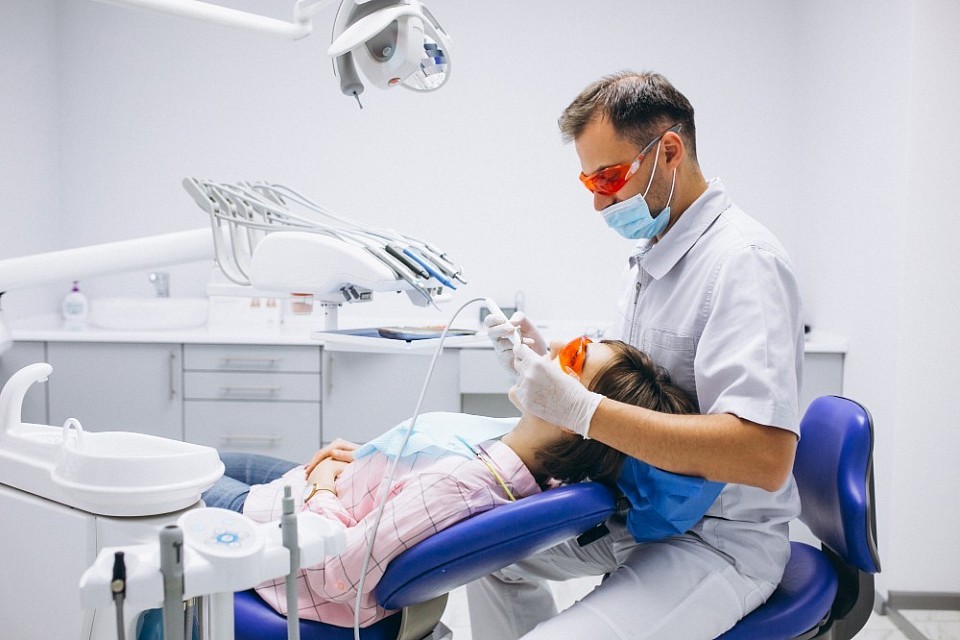
Understanding Advanced Dental Restoration Options for Complex Cases
When facing significant dental challenges, many patients find themselves searching for comprehensive solutions that go beyond routine care. A prosthodontist Tampa can provide specialized treatment for individuals dealing with multiple missing teeth, severe decay, or complex oral health issues that require advanced restoration techniques.
The Role of Advanced Dental Professionals
Advanced dental practitioners focus on restoring and replacing teeth to improve both function and appearance. These professionals complete additional years of training beyond dental school, learning intricate techniques for complex reconstruction cases. Their education covers everything from single-tooth replacement to complete oral rehabilitation.
Common Scenarios Requiring Advanced Restoration
Many situations call for sophisticated dental intervention. Patients who have lost multiple teeth due to injury, disease, or decay often need comprehensive treatment plans. Others may have congenital conditions affecting tooth development, or they might suffer from severe wear caused by grinding habits. Traumatic accidents can also create situations where extensive reconstruction becomes necessary.
Age-related dental deterioration presents another common scenario. As people grow older, years of wear and previous dental work may fail, requiring comprehensive rehabilitation to restore proper function and aesthetics.
Full Mouth Reconstruction Approaches
Full mouth reconstruction involves rebuilding or restoring all teeth in both the upper and lower jaws. This comprehensive approach addresses multiple issues simultaneously, including missing teeth, damaged enamel, bite problems, and jaw joint concerns. The process typically involves a combination of procedures such as dental implants, dental crowns, veneers, and other restorative treatments.
The planning phase is crucial for successful outcomes. Practitioners evaluate bone density, jaw alignment, existing dental work, and overall oral health. Digital imaging and models help create precise treatment plans tailored to each patient's unique anatomy and needs.
Dental Implant Solutions
Dental implants have revolutionized tooth replacement by providing permanent solutions that function like natural teeth. These titanium posts integrate with jawbone tissue, creating stable foundations for replacement teeth. Single implants can replace individual missing teeth, while multiple implants can support bridges or complete arch restorations.
The all on 4 technique offers an innovative approach for patients missing all teeth in one or both arches. This method uses four strategically placed implants to support a full arch of replacement teeth, often allowing for same-day tooth placement.
Cosmetic and Restorative Integration
Modern dental restoration seamlessly blends functional repair with aesthetic enhancement. Cosmetic dentistry techniques ensure that restored teeth match surrounding natural teeth in color, shape, and size. Veneers can transform tooth appearance while dental crowns provide strength and protection for damaged teeth.
Teeth whitening procedures may be incorporated into treatment plans to ensure color harmony across all teeth. Restorative dentistry focuses on repairing damage and preventing further deterioration while maintaining natural-looking results.
Addressing Jaw Joint Issues
Temporomandibular joint problems often accompany complex dental cases. TMJ/TMD treatment may be necessary before or during restoration procedures to ensure proper jaw alignment and function. Misaligned bites can cause headaches, facial pain, and difficulty chewing. Addressing these issues creates a stable foundation for restorative work.
Emergency Considerations
Dental emergencies can occur at any time, requiring immediate attention to prevent further damage. Knocked-out teeth, severe toothaches, broken restorations, or facial trauma need prompt treatment. Quick intervention often makes the difference between saving and losing a tooth.
Emergency dentistry services provide urgent care for acute problems, stabilizing situations until comprehensive treatment can begin. Having access to emergency dental care ensures that unexpected problems receive timely attention.
The Importance of Comprehensive Care
General dentistry forms the foundation of oral health maintenance. Regular checkups, cleanings, and preventive care help identify problems early, often before they require extensive intervention. This proactive approach can minimize the need for complex procedures later.
Invisalign treatment offers an alternative to traditional braces for correcting alignment issues. Properly aligned teeth are easier to clean and maintain, reducing the risk of decay and gum disease that could necessitate future restoration.
Making Treatment Decisions
Choosing the right approach for complex dental situations requires careful consideration of multiple factors. Treatment duration, cost, recovery time, and long-term maintenance all play important roles in decision-making. Understanding available options helps patients make informed choices aligned with their goals and circumstances.
Working with a prosthodontist Tampa FL provides access to advanced training and experience in complex cases, ensuring comprehensive treatment planning and execution for challenging dental situations.
Member Spotlight
ZM Dental
14021-B North Dale Mabry HWY
Tampa, FL 33618
(813) 513-5045
https://www.zmdental24.com/
Get Map direction:
https://maps.app.goo.gl/4HMHztBWXR3MX4Dn9
At ZM Dental, our prosthodontist Tampa is committed to delivering exceptional care tailored to each patient’s needs. Led by Dr. Mediouni, our team specializes in advanced prosthodontic treatments, including dental implants, veneers, and full mouth reconstruction. We understand the importance of a healthy, confident smile and work diligently to provide personalized solutions. Whether you need restorative or cosmetic dentistry, our prosthodontist in Tampa is here to help you achieve optimal oral health with compassionate, professional care.

The Role of a Prosthodontist in Restoring Confident Smiles
Understanding the Value of Advanced Dental Restoration
In the ever-evolving world of dentistry, the importance of restorative treatments has never been more evident. Patients dealing with damaged, missing, or misaligned teeth often find themselves in need of specialized care that goes beyond traditional dental procedures. A prosthodontist Tampa plays a vital role in helping individuals regain not only the function of their teeth but also the confidence to smile freely.
Precision and Artistry in Dental Restoration
A prosthodontist specializes in the restoration and replacement of teeth, blending science with artistry to create lifelike dental solutions. Whether a patient needs dental crowns, bridges, or veneers, prosthodontic care focuses on achieving both aesthetic harmony and durable function. This precision is essential for maintaining proper bite alignment and long-term oral health.
Reconstructing the Smile with Modern Techniques
Modern prosthodontics utilizes advanced materials and technology to ensure the most natural results possible. Digital imaging and 3D modeling now allow for accurate treatment planning, ensuring every restoration fits seamlessly. These innovations make procedures like dental implants and full mouth reconstruction more efficient and predictable.
Integrating Function and Aesthetics
Beyond replacing missing teeth, prosthodontics also enhances the overall appearance of the smile. Many patients who suffer from tooth loss or severe wear benefit from a customized approach that balances comfort, function, and visual appeal. From veneers to implant-supported restorations, prosthodontic care transforms both health and confidence.
Collaboration for Comprehensive Oral Health
A prosthodontist Tampa often collaborates with other dental professionals, including those focusing on oral surgery, general dentistry, or cosmetic dentistry. This team-based approach ensures that every aspect of a patient’s dental health is addressed thoroughly, leading to long-term stability and satisfaction.
Creating Long-Lasting Smiles through Expertise
Patients seeking dental restoration can trust that a prosthodontist brings both experience and dedication to each case. Their focus on precision, aesthetics, and functionality makes them indispensable in modern dental care, ensuring that every patient enjoys a healthy and confident smile for years to come.
Member Spotlight
ZM Dental
14021-B North Dale Mabry HWY
Tampa, FL 33618
(813) 513-5045
https://www.zmdental24.com/
Get Map direction:
https://maps.app.goo.gl/4HMHztBWXR3MX4Dn9
At ZM Dental, our prosthodontist Tampa is committed to delivering exceptional care tailored to each patient’s needs. Led by Dr. Mediouni, our team specializes in advanced prosthodontic treatments, including dental implants, veneers, and full mouth reconstruction. We understand the importance of a healthy, confident smile and work diligently to provide personalized solutions. Whether you need restorative or cosmetic dentistry, our prosthodontist in Tampa is here to help you achieve optimal oral health with compassionate, professional care.
Finding a Reliable Prosthodontist in Tampa Area
When it comes to maintaining optimal oral health, understanding the role of specialized dental care is essential. In bustling cities like Tampa, residents often seek professionals who can address complex dental needs with precision and care. A prosthodontist Tampa specializes in restoring and replacing teeth, helping individuals regain their smiles through advanced techniques. This field encompasses a wide array of procedures that enhance both function and aesthetics, ensuring that patients can eat, speak, and smile confidently. Understanding Prosthodontics and Its Benefits Prosthodontics is a branch of dentistry focused on the design, manufacture, and fitting of artificial replacements for teeth and other parts of the mouth. It goes beyond basic care, addressing issues like missing teeth or jaw misalignment. For those dealing with tooth loss due to injury or decay, options such as dental implants provide a permanent solution that mimics natural teeth. These implants integrate with the jawbone, offering stability and preventing bone loss over time. Similarly, dental crowns can cap damaged teeth, restoring their shape and strength. In areas with high demand for such services, finding a skilled prosthodontist Tampa FL ensures access to tailored treatments that prioritize long-term oral health. The Importance of Restorative Dentistry Restorative dentistry plays a crucial role in repairing teeth that have been compromised. Procedures like fillings, bridges, and crowns fall under this category, but more advanced restorations, such as full mouth reconstruction, rebuild entire sets of teeth for those with extensive damage. This approach not only fixes immediate problems but also prevents future complications. For instance, all on 4 is a method where four implants support a full arch of teeth, making it efficient for those needing comprehensive replacement. Incorporating these into routine care helps maintain overall well-being, as untreated issues can lead to pain or difficulty in daily activities. Cosmetic Enhancements for a Brighter Smile Many people turn to cosmetic dentistry to improve the appearance of their teeth. Teeth whitening is a popular choice, removing stains from coffee, tea, or aging to reveal a brighter smile. Veneers, thin shells placed over the front of teeth, correct imperfections like chips or gaps. Invisalign offers a discreet way to straighten teeth using clear aligners, avoiding the look of traditional braces. These treatments boost self-confidence, as a polished smile can make a significant difference in personal and professional interactions. Combining cosmetic options with restorative ones often yields the finest results, creating a harmonious balance between health and aesthetics. Handling Dental Emergencies Promptly Dental emergencies can arise unexpectedly, from severe toothaches to knocked-out teeth. Emergency dentistry addresses these urgent situations, providing immediate relief and preventing further damage. Quick intervention is key, whether it's reattaching a crown or treating an infection. In urban settings, having access to prompt care minimizes discomfort and preserves teeth that might otherwise be lost. Oral surgery may be involved in more complex cases, such as extracting impacted teeth or performing bone grafts for implants. Addressing Jaw and Bite Issues TMJ/TMD refers to disorders affecting the temporomandibular joint, which connects the jaw to the skull. Symptoms like jaw pain, clicking sounds, or headaches can disrupt daily life. Treatments range from custom mouthguards to physical therapy, aiming to alleviate discomfort and restore proper function. Prosthodontics often intersect here, as misaligned bites can exacerbate these issues. Corrective measures, including crowns or implants, help realign the bite for smoother jaw movement. General Dentistry as the Foundation General dentistry forms the backbone of oral care, encompassing routine check-ups, cleanings, and preventive measures. Regular visits allow for early detection of problems, such as cavities or gum disease, before they escalate. This proactive approach supports all other specialized treatments, ensuring a strong base for procedures like implants or veneers. Educating patients on proper brushing, flossing, and diet also falls under this umbrella, empowering individuals to take charge of their oral health. In conclusion, navigating the world of dental care involves understanding various specialties and their interconnections. From prosthodontics to cosmetic enhancements, each aspect contributes to a healthier, more confident smile. Residents in vibrant communities benefit from exploring these options, ensuring they receive comprehensive care that meets their unique needs. By prioritizing regular maintenance and addressing issues as they arise, individuals can enjoy lasting oral health and the freedom that comes with it. This holistic view encourages a commitment to wellness that extends beyond the dental chair, influencing overall quality of life.
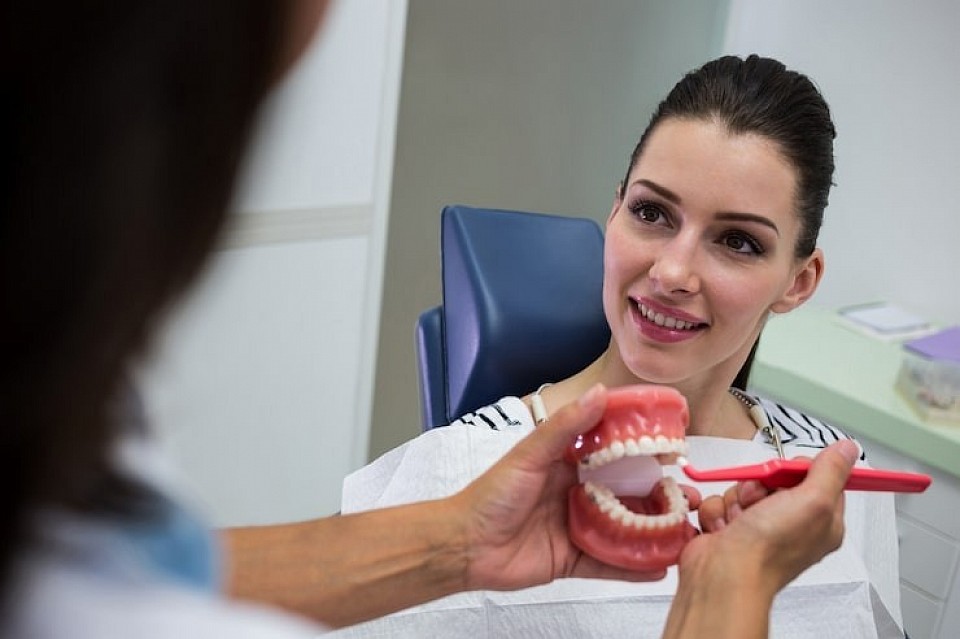

Understanding Prosthodontics and Its Role in Dental Care
What Is Prosthodontics?
Prosthodontics is a specialized field of dentistry focused on restoring and replacing teeth to improve function and aesthetics. This branch addresses complex dental issues, such as missing teeth or damaged oral structures, using advanced techniques like dental crowns, implants, and full mouth reconstruction. Patients seeking a prosthodontist Tampa benefit from tailored solutions that enhance their smile and chewing ability. Ascertainability
Common Prosthodontic Treatments
Treatments in prosthodontics include dental implants, which are artificial tooth roots that support replacement teeth, and veneers, thin shells that cover the front of teeth for a polished look. All-on-4 implants offer a full-arch restoration with fewer implants, providing a stable, long-term solution. These procedures require precision and expertise to ensure natural-looking results and improved oral function.
Benefits of Prosthodontic Care
Prosthodontic treatments go beyond aesthetics, restoring proper bite alignment and oral health. For those needing urgent care, an emergency dentist in Tampa can address immediate concerns like tooth fractures, which may later require prosthodontic restoration. These treatments can prevent further complications, such as tooth loss or jaw issues, ensuring long-term dental health.
How Prosthodontics Differs from General Dentistry
While general dentistry focuses on routine care like cleanings and fillings, prosthodontics tackles more complex restorative needs. Procedures like full mouth reconstruction or TMJ/TMD therapy require advanced training to address structural and functional challenges, often transforming patients’ quality of life.
Choosing the Right Specialist
Selecting a skilled prosthodontist is crucial for achieving optimal results. Look for a prosthodontist office Tampa with experience in cosmetic and restorative dentistry to ensure comprehensive care tailored to your needs.
Maintaining Results
Post-treatment care is essential for longevity. Regular check-ups, proper oral hygiene, and following your dentist’s recommendations help preserve prosthodontic work, ensuring lasting functionality and a confident smile.
Member Spotlight
ZM Dental
14021-B North Dale Mabry HWY
Tampa, FL 33618
(813) 513-5045
https://www.zmdental24.com/
Get Map direction:
https://maps.app.goo.gl/4HMHztBWXR3MX4Dn9
At ZM Dental, our prosthodontist Tampa is committed to delivering exceptional care tailored to each patient’s needs. Led by Dr. Mediouni, our team specializes in advanced prosthodontic treatments, including dental implants, veneers, and full mouth reconstruction. We understand the importance of a healthy, confident smile and work diligently to provide personalized solutions. Whether you need restorative or cosmetic dentistry, our prosthodontist in Tampa is here to help you achieve optimal oral health with compassionate, professional care.